If you've had a bad Reiki experience—or know someone who has—please don't assume Reiki is the problem. In my experience, Reiki itself is gentle, loving, and healing. More often, the issue is that the practitioner was never taught proper Energy Hygiene before, during, and after a session.
Have you ever heard someone say they had a bad Reiki experience?
It happens.
And every time I hear a story like that, it makes me a little sad because I don't believe Reiki is the problem.
Years ago, I met a woman who worked at a spa. She told me that all five of her colleagues had taken Reiki Level 1 from the same Reiki Master.
Afterward, every one of them felt awful.
Several became sick.
Eventually, they all decided Reiki wasn't for them and completely walked away from it.
That broke my heart.
Not because I questioned their experience—but because I believed they had never been shown how to work with Reiki safely.
For more than 30 years, I've taught that Energy Hygiene is just as important as learning to channel Reiki.
Most Reiki sessions are peaceful, relaxing, and deeply healing.
But there is almost always some degree of energetic interaction between practitioner and recipient.
If a practitioner doesn't understand how to manage that exchange—how to Bubble Up, clear excess energy, repair the aura, close the session properly, and ground both themselves and the recipient—someone may leave feeling energetically "off."
I've experienced it myself.
I've received both massage and Reiki sessions where I felt worse afterward.
Do I believe those practitioners intended harm?
Absolutely not.
In fact, I believe one of the greatest fears of any sincere Reiki practitioner is that someone might leave feeling worse than when they arrived.
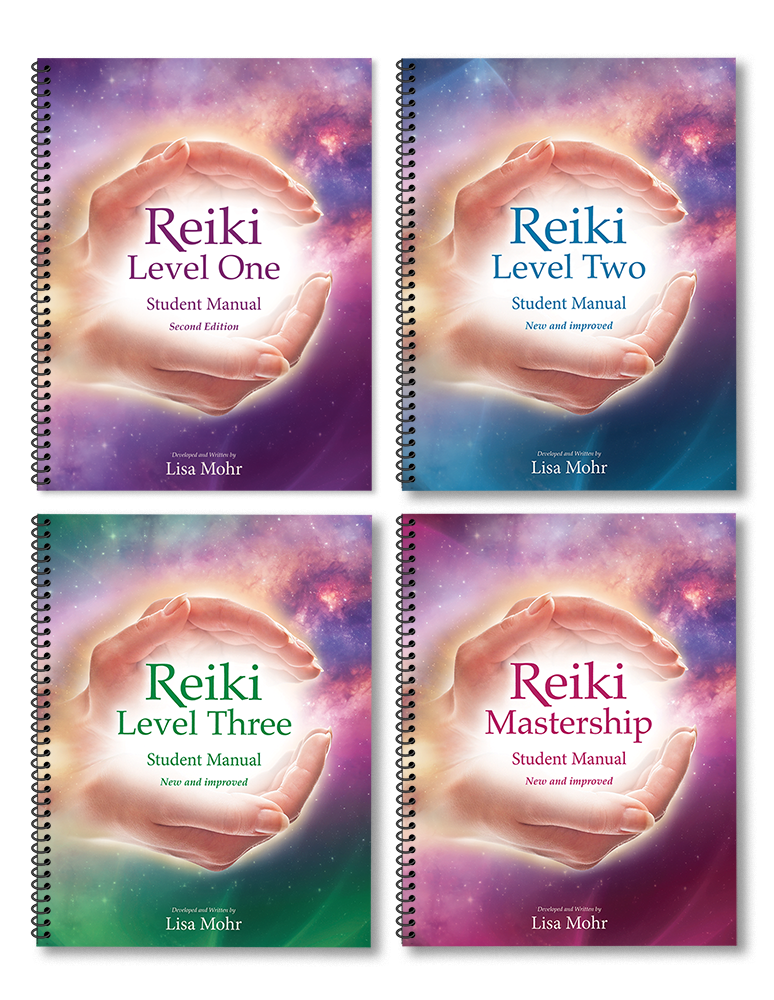
That's why I place such a strong emphasis on Energy Hygiene throughout The Mohr Method of Healing® Reiki Training System.
These aren't optional techniques.
They're foundational skills.
They protect both the practitioner and the recipient.
So if someone tells you they had a bad Reiki experience...
Please don't encourage them to give up on Reiki.
Instead, encourage them to find a practitioner who understands Energy Hygiene.
Even better, encourage them to learn it themselves.
Start with Reiki.
Learn to Bubble Up.
Practice cord cutting.
Clean your energy.
Clear your environment.
Build those habits one step at a time.
Many people are drawn to Reiki for a reason.
When Reiki and proper Energy Hygiene are practiced together, the experience can be peaceful, empowering, and truly life-changing.
I'd also love to hear about your experience.
Have you ever noticed energy transference after a Reiki session, massage, class, or even after spending time with someone who was emotionally intense?
You're probably not the only one. 🩷
Common Questions
Can Reiki make you feel worse?
In my experience, Reiki itself is gentle and healing. When someone feels worse after a session, I often look at whether proper Energy Hygiene, energetic clearing, and grounding were included as part of the session.
What is energy transference?
Energy transference refers to the energetic exchange that can occur between people. This is one reason I teach practitioners how to protect themselves, manage energy appropriately, and close sessions properly.
How can I avoid a negative Reiki experience?
Choose a practitioner who understands both Reiki and Energy Hygiene. Learning Bubble Up, cord cutting, energetic clearing, auric repair, and grounding can make a tremendous difference.
Should I stop receiving Reiki if I had one bad experience?
Not necessarily. One unpleasant experience doesn't define Reiki as a whole. Finding a practitioner with thorough training in both Reiki and Energy Hygiene may completely change your experience.
If you'd like to learn Reiki in a way that emphasizes both healing and energetic safety, The Mohr Method of Healing® Reiki Training System teaches Reiki, Bubble Up, Energy Hygiene, auric repair, cord cutting, and proper session techniques step by step. My goal is to help practitioners feel confident, protected, and prepared to serve others responsibly. 🩷